By Folarin Johnson. Edited by Adebanji Adelusi
One of the oldest ways through which knowledge is transmitted cross-generationally is through a system of oral transmission known as oral tradition, or oral lore.
Wikipedia describes this as a form of human communication wherein knowledge, art, ideas and cultural material is received, preserved, and transmitted orally from one generation to another.
Before the advent of literature, oral tradition, which comprises of the use of common speech or song folktales, ballads, chants, prose or poetry, was, also according to the multilingual free online encyclopedia, a common way of transmitting information.
It was possible in those days to transmit oral history, oral literature , oral law and other knowledge across generations without a writing system, or in parallel to a writing system.
Chants are an age-long medium most popular among Africans and Arabians. In Nigeria, all the diverse tribes and cultures have this among their various media of communication. In the Southwest, Nigeria, chanting remains a form of arts through which vital information are passed. People chant to make a living, to entertain themselves, to celebrate a respected figure. Hence there are various types of chants. Each of them is distinguishable by their specific format.
In Ekiti State, chanting is a genre of oral tradition mostly devoted to by non-literates. There are different types such as esa, alamo, ofo, ogede, ujamese, asamo, oore etc. Some are meant for all occasions while some are for certain situations. Until recently young and educated people were not always involved in most of these oral arts.
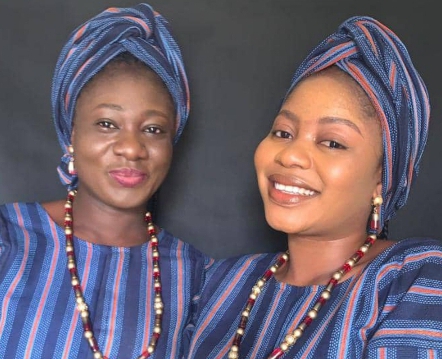
This explains why Ekitourism chooses to celebrate two young Ekiti lady chanters who are fast becoming social media celebrities for their amazing exhibition of uncommon talent in the oral arts of chanting.
Folarin Johnson had an exclusive interview with the two young ladies, Omowunmi Omotoyinbo who hailes from Itapa-Ekiti and Funmilayo Adeyemi, a native of Aisegba Ekiti. The interview, among other things, reveals that both Wunmi and Funmi are very outspoken and intelligent. Both of them who have National Diploma Certificates were just co-tenants and never learnt the arts of chanting from anyone before they began.
Sit back and enjoy the exclusive interview with both Ekiti oral chant maestros.
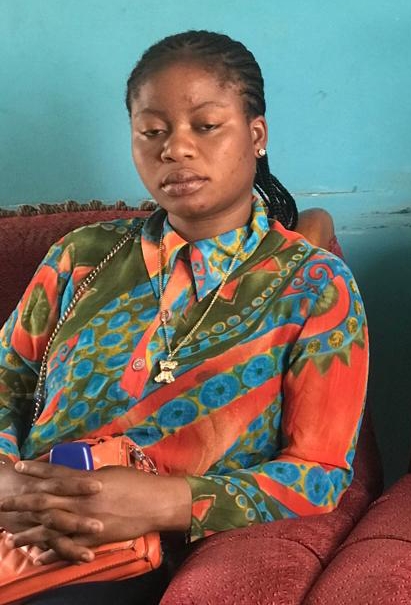
Ekitourism: Can we meet you? Wunmi: My name is Omotoyinbo Omowunmi. I attended Ogun State Institute of Technology, Igbesa and graduated in 2015. I learnt hairdressing in Lagos and I worked briefly in Ikorodu, Lagos before I relocated to Ado-Ekiti for reasons that had to do with my mother.
https://youtube.com/@ewaasaekiti7567
Ekitourism: Where and who did you learn the oral art of chanting from?
Wunmi: I did not learn it formally. I learnt chanting by listening to my mum who is very gifted in the chanting art. My mum is related to the Ewi of Ado-Ekiti being from Ado-Ekiti. She likes to chant and sing particularly whenever she is in the palace. She sings and chants eulogies of Kabiyesi, the Ewi during festivals or any activity holding at the Palace. She does this for the fun of it, not for a living anyway.
Ekitourism: When did you start doing chanting and how far has chanting and singing taken you?
Wunmi: I started chanting on full scale in 2021 until I met Funmilayo who came to rent a room in the same house I was living at that time. I noticed she had a unique type of voice which could compliment mine. I used to listen while she sang around the house whenever she was doing her normal morning chores. Fascinated by her type of voice, I approached her and asked if she could sing in Ekiti dialect and she said yes. I discovered she had the gift of chanting too. So we began to do rehearsals, and, within a little time, we collaborated to do our first song tagged: “Ori Mi Apere” using the tiktok app. the tiktok app decided to post it online and to our utmost surprises, the song went viral and that was last year 2022. That experience spurred us on into doing many more ever since.
Ekitourism: Have you commercialized these gifts?
Wunmi: Yes! We chant and sing for People on birthdays, burial and all other events.
Ekitourism: How do you charge for your services?
Wunmi: We have a musical band. We perform within and outside Ekiti State. Within Ekiti, we charge around N100,000.00 for our performances. We have had the opportunity to sing for Mummy Adeboye on her birthday celebration around last year and we shot a video clip to that effect.
We have also been able to make advocacy skits to educate the public, like the one Ekiti INEC used during the last election educating the electorates to go get their PVCs to enable them vote for their preferred candidates.
Ekitourism: How Often Do You Get Engaged?
Wunmi: Not Quite Often.
Ekitourism: What Are Your . Challenges?
Wunmi: Our major challenge is the low level of appreciation of the Ekiti Culture by Ekiti people at home. They think our medium is too local. Most times people try to make us feel little about ourselves. It has taken a lot resilience and determination for us to continue. I must add that the Ekiti people outside the State and in the diaspora have shown more interest in what we do. We have been getting a more appreciable level of motivation from the Ekiti people abroad than we have so far gotten from home.
Ekitourism: What Are Your Aspirations?
Wunmi: What we are doing is to promote Ekiti culture using our preferred genre. We have taken it upon ourselves to make Ekiti oral chant culture does not go into extinction by encouraging young people to go into it. We aspire towards more exposure. If Ekiti people can show us more support by inviting us regularly and featuring us in their events we can get this exposure and use the platform to further promote Ekiti culture and values. We also aspire towards having the support of Government to export Ekiti oral art culture for global appreciation.
Ekitourism: What is your most Embarrassing experience?
Wunmi: We have a couple of embarrassing experiences. We alway to put such behind us as quickly as possible because we usually consider them as part of the processes to get to the top. We have never allowed any of such moment to affect us.
Ekitourism: Can We Meet You?
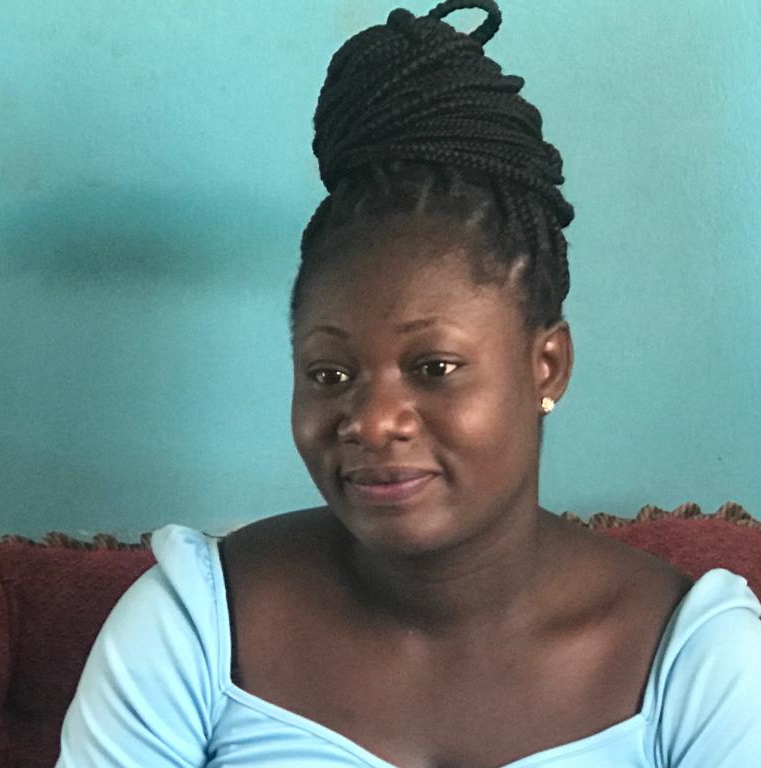
Funmi: I’m Adeyemi Funmilayo. I’m from Aisegba Ekiti. I went to the College of Health Sciences, Offa.
Funmi: How did you feel when your friend who as at that time was your neighbour invited you to sing with her?
Funmi: I’ve been singing actively right from my Secondary School days. When Wunmi proposed a collaboration, I didn’t heed in the first place because I am always a very shy person. She persisted and impressed it upon me that we should give it a trial, I obliged and we sang and posted it online and I was surprised, it received acceptance and went viral beyond imagination. I gained the confidence when people in the streets started recognizing me and friends from hay days would send me messages to identify with me, joyously.
Ekitourism: How Many Clips Have You Been Able To Do Together?
Funmi: We’ve done about 150 clips and all can be found on our Youtube channel: Ewa Asa Ekiti.
Ekitourism hereby implores all Ekiti sons and daughters to encourage more young people into embracing this type of medium to promote and preserve our culture. Let us assist Wunmi and Funmi to reach the YouTube minimum subscription target for them to get some pecuniary motivations from doing the Ekiti cultural public proud and happy.
-THE END-
 Ekiti Tourism & Hospitality News